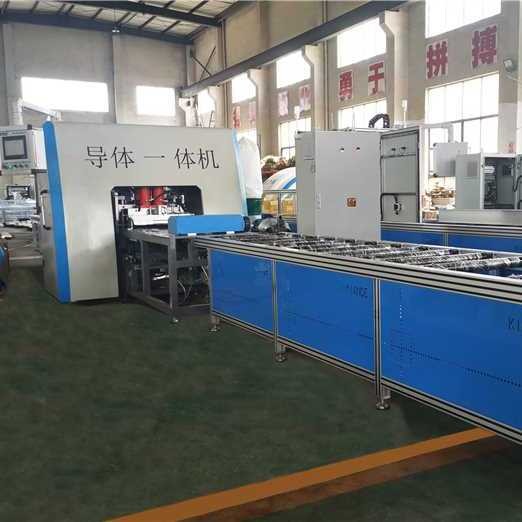
In the modern industrial landscape, automated production lines have become the cornerstone of efficient manufacturing. Among the various machines used in these lines, the hydraulic busbar processing machine plays a crucial role in the electrical and power distribution industries. Ensuring the synchronization of such a machine within an automated production line is essential for maintaining high - quality production, reducing downtime, and maximizing overall efficiency. As a leading supplier of Multifunction Busbar Processing Machine, Hydraulic Busbar Processing Machine, Busbar Profile Processing Machine, Copper Busbar Processing Machine, and CNC Busbar Processing Machine, I would like to share some insights on how to achieve this synchronization.
Understanding the Basics of Hydraulic Busbar Processing Machines
Before delving into synchronization methods, it is important to understand the basic working principles of hydraulic busbar processing machines. These machines use hydraulic power to perform various operations on busbars, such as cutting, punching, and bending. The hydraulic system consists of a pump, valves, cylinders, and hydraulic fluid. The pump generates pressure, which is then controlled by the valves to move the cylinders and perform the required operations.
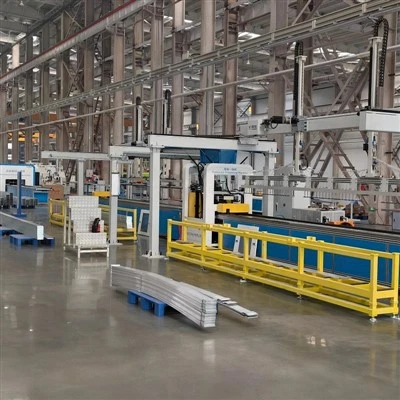
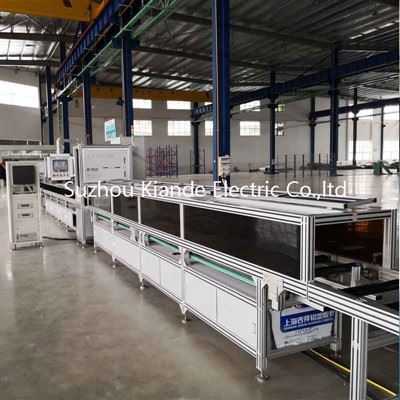
In an automated production line, the hydraulic busbar processing machine needs to work in harmony with other machines, such as conveyors, robotic arms, and inspection systems. Any misalignment or delay in the operation of the hydraulic busbar processing machine can lead to production bottlenecks, quality issues, and even equipment damage.
Key Factors Affecting Synchronization
1. Communication and Control Systems
One of the primary factors in ensuring synchronization is a reliable communication and control system. In an automated production line, all machines need to be able to communicate with each other effectively. This can be achieved through the use of industrial Ethernet, fieldbus systems, or other communication protocols.
The control system should be able to send and receive signals from other machines in the line. For example, when a conveyor delivers a busbar to the hydraulic busbar processing machine, the conveyor should send a signal to the machine indicating the arrival of the busbar. The machine then processes the busbar and sends a signal back to the conveyor when the processing is complete, allowing the conveyor to move the processed busbar to the next stage.
2. Precision of Hydraulic Components
The precision of hydraulic components also has a significant impact on synchronization. The pump, valves, and cylinders need to be accurately calibrated and maintained. A small deviation in the hydraulic pressure or flow rate can cause the machine to perform operations too quickly or too slowly, leading to synchronization problems.
Regular maintenance and inspection of hydraulic components are essential. This includes checking for leaks, replacing worn - out seals, and calibrating the pressure and flow control valves. Additionally, using high - quality hydraulic fluid and filters can help maintain the performance of the hydraulic system.
3. Programming and Automation Logic
Proper programming and automation logic are crucial for the synchronization of a hydraulic busbar processing machine. The machine's control program should be designed to work in sync with the overall production line. This involves defining the sequence of operations, setting the appropriate cycle times, and implementing safety interlocks.
For example, the program should specify the exact position where the busbar needs to be placed for each operation (cutting, punching, bending). It should also ensure that the machine waits for the busbar to be properly positioned before starting an operation. Safety interlocks should be in place to prevent the machine from operating if there are any malfunctions or if the safety conditions are not met.
Synchronization Methods
1. Master - Slave Synchronization
In a master - slave synchronization system, one machine in the production line is designated as the master, and the hydraulic busbar processing machine becomes the slave. The master machine sends commands and signals to the slave machine, controlling its operation.
For example, if a robotic arm is the master, it can control the movement of the busbar to the hydraulic busbar processing machine. It sends a signal to the machine when the busbar is in the correct position, and the machine then starts the processing. The machine sends a completion signal back to the robotic arm, which then moves the processed busbar to the next stage.
2. Time - Based Synchronization
Time - based synchronization relies on a pre - set time schedule for each operation in the production line. All machines are programmed to start and stop their operations at specific times. This method requires accurate timing and calibration of all machines.
For the hydraulic busbar processing machine, the cycle time for each operation (cutting, punching, bending) needs to be carefully calculated. The machine's control system then ensures that each operation is completed within the specified time frame. This method is suitable for production lines with a relatively stable and predictable production volume.
3. Sensor - Based Synchronization
Sensor - based synchronization uses sensors to detect the position, presence, or status of the busbar and other components in the production line. When a sensor detects a change in the status, it sends a signal to the control system, which then triggers the appropriate action on the hydraulic busbar processing machine.
For example, proximity sensors can be used to detect the arrival of a busbar at the machine. Once the sensor detects the busbar, it sends a signal to the machine to start the processing. After the processing is complete, another sensor can detect the removal of the processed busbar, and the machine can then prepare for the next busbar.
Monitoring and Troubleshooting
Even with the best synchronization methods in place, it is important to continuously monitor the performance of the hydraulic busbar processing machine in the automated production line. Monitoring can be done through the use of sensors, data acquisition systems, and visual inspections.
Regularly collecting and analyzing data on the machine's operation, such as hydraulic pressure, temperature, and cycle times, can help identify potential synchronization issues before they cause major problems. If any abnormal values are detected, appropriate actions can be taken, such as adjusting the control parameters or performing maintenance on the machine.
In case of synchronization problems, a systematic troubleshooting approach should be followed. This involves checking the communication systems, the operation of hydraulic components, and the programming logic. By quickly identifying and resolving issues, the production line can be resumed with minimal downtime.
Conclusion
Ensuring the synchronization of a hydraulic busbar processing machine in an automated production line is a complex but achievable task. By understanding the key factors affecting synchronization, implementing appropriate synchronization methods, and continuously monitoring and troubleshooting the machine's performance, high - quality and efficient production can be maintained.
As a supplier of a wide range of busbar processing machines, we are committed to providing our customers with the best solutions for their automated production lines. If you are interested in learning more about our products or need advice on synchronizing your hydraulic busbar processing machine, please feel free to contact us for procurement and further discussions. We are here to help you optimize your production process and achieve greater efficiency.

References
- Bosch Rexroth, Handbook of Hydraulics.
- Parker Hannifin Corporation, Hydraulic System Design Guide.
- International Electrotechnical Commission (IEC) standards related to industrial automation and control systems.