Busbar capped ends are essential components in electrical systems, providing protection and insulation for busbars. As a leading supplier of Busbar Capped End, I often receive inquiries about the functionality of our products, particularly regarding their UV - resistant capabilities. In this blog post, I aim to delve into the question: Do busbar capped ends have a UV - resistant function?
Understanding Busbar Capped Ends
Busbar capped ends are used to terminate the ends of busbars, which are conductive bars that distribute electrical power within a system. These caps serve multiple purposes, including preventing electrical shock, protecting the busbar from environmental factors, and maintaining the integrity of the electrical system. They are typically made from various materials such as plastic, rubber, or fiberglass, each chosen for its specific properties and suitability for different applications.
The Importance of UV Resistance
UV radiation from the sun can have a detrimental effect on many materials over time. It can cause degradation, discoloration, cracking, and a reduction in mechanical strength. In outdoor electrical installations, busbar capped ends are exposed to sunlight, making UV resistance a crucial factor. If the capped ends are not UV - resistant, they may deteriorate quickly, leading to compromised insulation, increased risk of electrical faults, and potential safety hazards.
UV - Resistant Materials in Busbar Capped Ends
At our company, we understand the significance of UV resistance in busbar capped ends. That's why we carefully select materials that offer excellent protection against UV radiation. Many of our busbar capped ends are made from high - quality plastics that are specifically formulated to resist UV degradation. These plastics contain additives such as UV stabilizers, which absorb and dissipate UV energy, preventing it from causing damage to the material.
For example, polycarbonate is a popular choice for our busbar capped ends due to its high impact resistance and good UV - resistant properties. It can withstand long - term exposure to sunlight without significant degradation. Another material we use is acrylonitrile butadiene styrene (ABS), which also has decent UV resistance when properly formulated. These materials ensure that our busbar capped ends maintain their structural integrity and performance even in harsh outdoor environments.
Testing and Certification
To ensure the reliability of our Busbar Capped End products, we conduct rigorous testing for UV resistance. Our products are tested in accordance with international standards such as ASTM G154, which simulates long - term outdoor exposure to UV radiation in a laboratory setting. By subjecting our capped ends to these tests, we can accurately assess their ability to withstand UV damage over time.
In addition to in - house testing, our products also undergo third - party certification. This certification provides an independent verification of the UV - resistant properties of our busbar capped ends, giving our customers confidence in the quality and performance of our products.
Applications of UV - Resistant Busbar Capped Ends
The UV - resistant busbar capped ends have a wide range of applications, especially in outdoor electrical installations. They are commonly used in solar power plants, where busbars are exposed to direct sunlight for extended periods. In solar farms, the busbar capped ends protect the busbars from UV damage, ensuring the efficient and safe operation of the electrical system.
They are also used in outdoor substations, where the electrical equipment is exposed to various weather conditions, including sunlight. The UV - resistant capped ends help to extend the lifespan of the busbars and reduce the need for frequent maintenance and replacement.
Complementary Busbar Accessories
In addition to Busbar Capped End, we also offer a range of complementary accessories for busbar systems. For example, our Busbar Temperature Indicator is a useful tool for monitoring the temperature of busbars. High temperatures can indicate potential electrical problems, and the temperature indicator allows for early detection and prevention of faults.
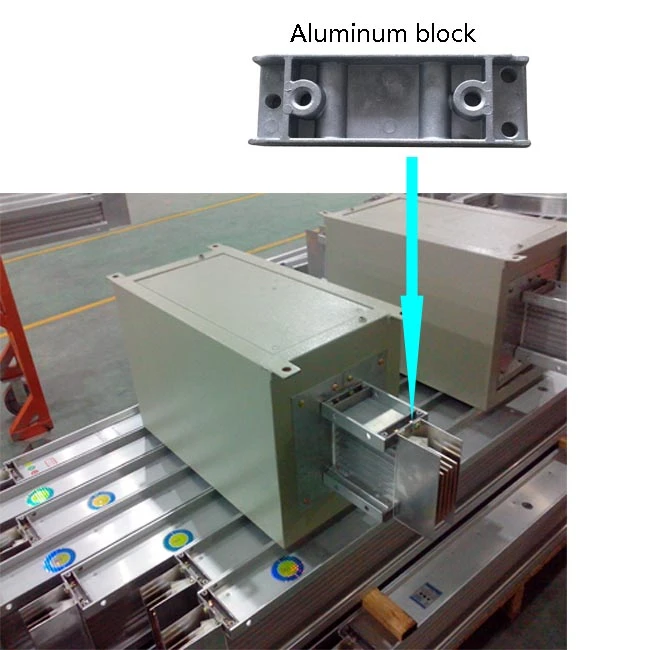

Our Busbar Insulation Tape provides an additional layer of insulation for busbars, enhancing their safety and performance. The Sealing Ring for Sandwich Busbar Trunking System helps to prevent the ingress of dust, moisture, and other contaminants into the busbar trunking system, ensuring its long - term reliability. And the Busbar Outgoing Sheath for Tap Off Unit provides protection for the outgoing connections from the tap - off unit.
Contact Us for Procurement
If you are in the market for high - quality busbar capped ends or any of our other busbar accessories, we invite you to contact us for procurement. Our team of experts is ready to assist you in selecting the most suitable products for your specific needs. Whether you are working on a small - scale project or a large - scale industrial installation, we have the products and expertise to meet your requirements.
References
- ASTM International. (Year). ASTM G154 - Standard Practice for Operating Fluorescent Light Apparatus for UV Exposure of Non - metallic Materials.
- Manufacturer's product data sheets for polycarbonate and ABS materials used in busbar capped ends.
- Industry reports on the impact of UV radiation on electrical insulation materials.