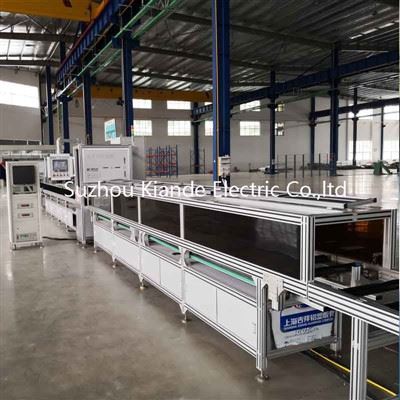
When it comes to using a busbar machine, quality control is of utmost importance. As a reputable busbar machine supplier, we understand the significance of ensuring that every machine we provide meets the highest standards of quality. In this blog post, we will discuss the essential quality control measures that should be taken when using a busbar machine.
1. Pre - operation Inspection
Before starting the busbar machine, a thorough pre - operation inspection is necessary. This includes checking the physical condition of the machine. Look for any signs of damage, such as cracks in the frame, loose parts, or worn - out components. For example, the hydraulic hoses should be inspected for leaks or abrasions. A damaged hose can lead to a loss of hydraulic pressure, which may affect the machine's performance.
The electrical system also requires careful inspection. Check all the electrical connections to ensure they are secure. Loose connections can cause electrical malfunctions, short - circuits, or even pose a safety hazard. Verify that the control panel is functioning properly, with all the buttons and indicators working as expected.
Another crucial aspect is the tooling. Examine the cutting blades, punching dies, and bending tools for sharpness and wear. Dull or worn - out tooling can result in poor - quality cuts, uneven bends, or inaccurate punching, leading to sub - standard busbar products. For instance, if the cutting blade is not sharp enough, it may cause the busbar to have rough edges instead of clean cuts.
2. Calibration
Proper calibration of the busbar machine is vital for accurate processing. The machine's positioning system, which is responsible for determining the exact location of cuts, punches, and bends, needs to be calibrated regularly. This ensures that the busbars are processed to the correct dimensions. For example, if the machine is used to produce busbars for a specific electrical panel, any deviation from the required dimensions can lead to installation problems.
The pressure settings of the hydraulic or pneumatic systems also need to be calibrated. Incorrect pressure can affect the force applied during cutting, punching, or bending operations. If the pressure is too low, the machine may not be able to cut or punch through the busbar effectively. Conversely, if the pressure is too high, it can damage the tooling and the busbar itself.
3. Material Quality
The quality of the raw materials used in the busbar production process is directly related to the final product quality. The busbar material should comply with relevant industry standards. For copper busbars, the copper content should be within the specified range to ensure good electrical conductivity. Low - quality copper may not only have poor conductivity but also be more prone to corrosion.
Inspect the physical properties of the busbar materials, such as surface smoothness and density. Any surface defects, such as scratches, pits, or unevenness, can affect the performance of the busbar in electrical applications. Additionally, the thickness and width of the busbar should be consistent throughout the length, as variations can lead to inconsistent electrical performance.
4. Operator Training
Well - trained operators are key to maintaining quality when using a busbar machine. Operators should be familiar with the machine's operating manual, including all the safety procedures and operating instructions. They should know how to set up the machine correctly for different types of busbar processing tasks, such as adjusting the cutting length, punching positions, and bending angles.
Regular training sessions can help operators stay updated with the latest techniques and best practices. For example, new software features in CNC Busbar Processing Machine may enable more precise control and higher - quality production. Training can also cover troubleshooting skills, so that operators can quickly identify and resolve minor issues that may arise during the production process.
5. In - process Monitoring
During the busbar processing operation, continuous in - process monitoring is essential. This can be achieved through visual inspection and the use of quality control tools. For each cut, punch, or bend, operators should visually inspect the busbar to ensure that the operation has been performed correctly. For example, check if the cut edges are straight and free from burrs, or if the punched holes are of the correct diameter and position.
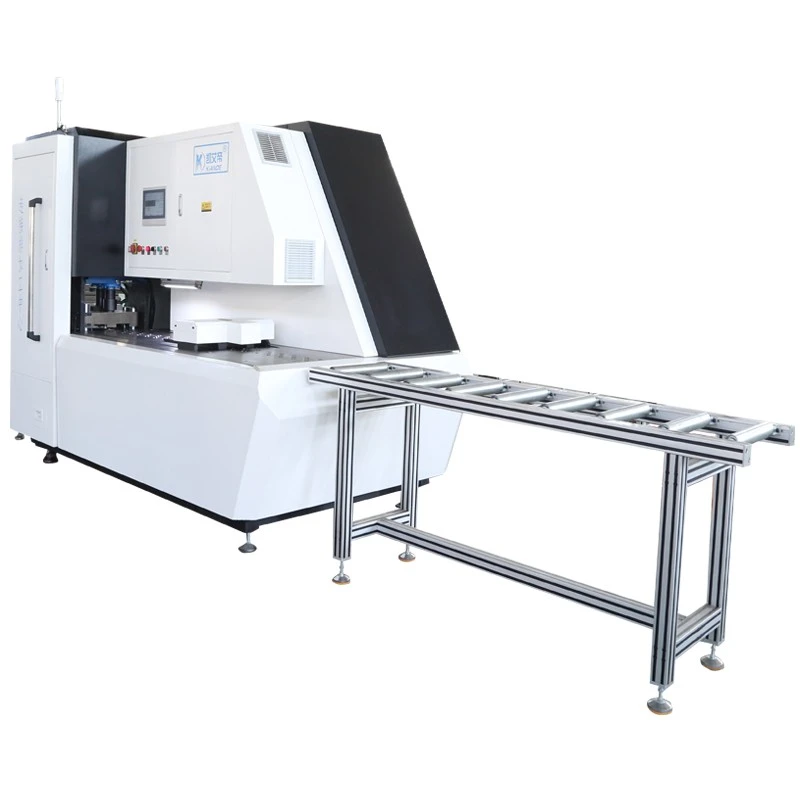
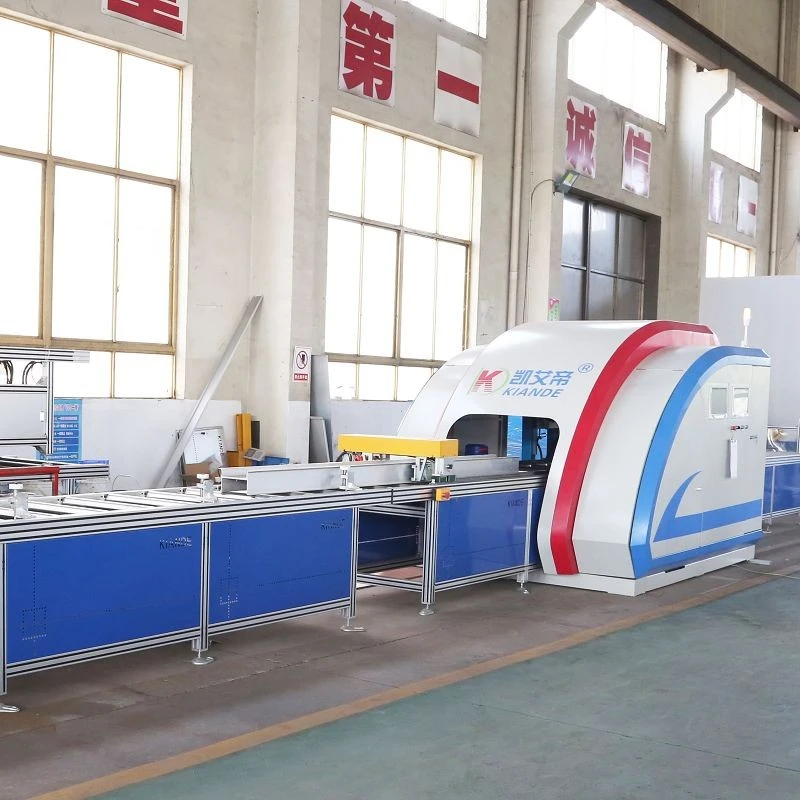
Quality control tools such as calipers can be used to measure the dimensions of the processed busbars at regular intervals. This helps to detect any dimensional variations early in the production process. If any deviations from the specified dimensions are found, adjustments can be made to the machine settings immediately to prevent the production of more defective products.
6. Post - processing Inspection
After the busbar processing is completed, a comprehensive post - processing inspection should be carried out. This includes a detailed visual inspection of the entire busbar. Look for any cosmetic defects, such as scratches, dents, or discoloration. These defects may not only affect the appearance of the busbar but also indicate potential internal damage or improper processing.
Measure the electrical properties of the busbar, such as resistance. High resistance can lead to energy losses and overheating in electrical systems. The insulation resistance should also be measured if the busbar is insulated. For example, in the case of Mylar Slitting Busbar Insulation Machine, the insulation quality needs to be verified to ensure proper electrical isolation.
7. Documentation and Traceability
Maintaining detailed documentation of the production process is an important quality control measure. Record all the relevant information, such as the machine settings, material specifications, operator details, and inspection results for each batch of busbars produced. This documentation provides a clear record of the production history and can be used for quality analysis and troubleshooting.
Traceability is also crucial. Each busbar or batch of busbars should be labeled with a unique identifier. This allows for easy tracking of the product throughout its lifecycle, from production to installation. In case of any quality issues, it is possible to trace back the production process and identify the root cause.
8. Regular Maintenance
Regular maintenance of the busbar machine is a fundamental quality control measure. Scheduled maintenance tasks include cleaning the machine, lubricating moving parts, and replacing worn - out components. A clean machine not only operates more efficiently but also reduces the risk of contamination that can affect the quality of the busbars.
Lubrication of moving parts, such as the guide rails, shafts, and gears, reduces friction and wear, ensuring smooth operation and accurate positioning. For example, in an Automatic Riveting Busbar Assembly Machine, proper lubrication of the riveting mechanism is essential for consistent and reliable riveting.
9. Continuous Improvement
The quality control process should be a continuous improvement cycle. Analyze the data collected from the inspection results, operator feedback, and maintenance records. Identify any recurring quality issues and develop strategies to address them. For example, if a particular type of tooling is frequently causing problems, consider upgrading to a higher - quality tooling or modifying the tooling design.
Stay updated with the latest industry trends and technological advancements. Newer busbar machine models, such as Busbar Profile Cutting Processing Machine, may offer improved features and performance that can enhance the quality of busbar production.
Conclusion
In conclusion, implementing comprehensive quality control measures when using a busbar machine is essential for producing high - quality busbars. From pre - operation inspection and calibration to post - processing inspection and continuous improvement, each step plays a crucial role in ensuring the reliability and performance of the final product.
As a busbar machine supplier, we are committed to providing our customers with high - quality machines and also offering support in terms of quality control. If you are interested in our busbar machines or need more information about quality control in busbar production, we encourage you to contact us for a detailed discussion and potential procurement.
References
- Industry standards on busbar production and processing.
- Manufacturer's manuals for various busbar machines.
- Technical literature on electrical conductivity and insulation of busbars.