Yo, what's up everyone! As a supplier of Busbar Spring Support, I've been getting a lot of questions lately about the material strength of these nifty little things. So, I thought I'd dive into it and share everything I know in this blog post.
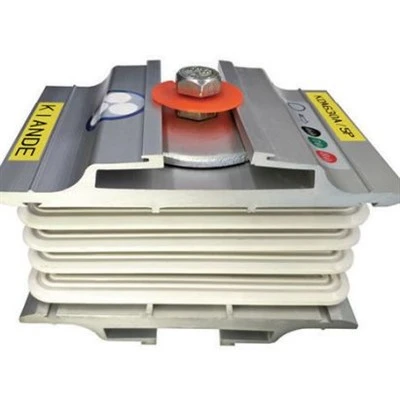
First off, let's talk about what busbar spring supports are. These are crucial components in electrical systems, especially in busbar trunking systems. They're designed to hold and support busbars while also absorbing vibrations and movements, which helps prevent damage to the busbars and other parts of the electrical setup.
Now, when it comes to the material strength of busbar spring supports, there are a few key factors to consider. The materials used in their construction play a huge role in determining how strong and reliable they are. Most of the time, we use high - quality metals for these supports.
One of the commonly used materials is stainless steel. Stainless steel is great because it has excellent corrosion resistance. You know, in a lot of electrical environments, there might be moisture, chemicals, or other corrosive substances floating around. If the spring support corrodes, its strength and functionality will be severely affected. Stainless steel can withstand these harsh conditions, so it maintains its structural integrity over time.
Another important characteristic of stainless steel is its high tensile strength. Tensile strength is basically the maximum amount of pulling force that a material can withstand before it breaks. In the case of busbar spring supports, they need to be able to hold up the weight of the busbars and handle any external forces, like vibrations or movements caused by people or equipment nearby. The high tensile strength of stainless steel ensures that the supports won't snap or deform easily under normal operating conditions.
We also sometimes use carbon steel for busbar spring supports. Carbon steel is known for its hardness and toughness. It can handle a significant amount of stress and is quite durable. However, one drawback of carbon steel compared to stainless steel is its corrosion resistance. Carbon steel is more prone to rusting, so if it's going to be used in a corrosive environment, it usually needs some form of protective coating, like galvanization. Galvanized carbon steel has a zinc coating that acts as a barrier between the steel and the surrounding environment, preventing rust and corrosion.
The material strength also depends on the manufacturing process. We use precision manufacturing techniques to make sure that the spring supports are made to the highest standards. For example, the springs are carefully formed and heat - treated. Heat treatment can improve the material's hardness and strength. It basically changes the microstructure of the metal, making it more resistant to deformation and breakage.
Let's think about how the material strength affects the performance of busbar spring supports in real - world applications. In a large industrial facility, the busbar system is constantly under stress. There are heavy loads of electrical current flowing through the busbars, and any movement or vibration can cause problems. A strong spring support made of high - quality materials can keep the busbars in place, reducing the risk of electrical faults.
For instance, if a busbar moves out of position due to weak supports, it can cause short - circuits. Short - circuits are not only dangerous but can also lead to significant downtime and expensive repairs in an industrial setting. So, having busbar spring supports with good material strength is absolutely essential.
Now, if you're involved in an electrical project, you might also need other busbar accessories. We offer a wide range of those too. For example, check out our Busbar Capped End. These are used to seal the ends of busbars, protecting them from dust, moisture, and other contaminants.
Another useful accessory is the Sealing Ring for Sandwich Busbar Trunking System. It helps to ensure a tight seal in the busbar trunking system, preventing the ingress of harmful substances and maintaining the integrity of the electrical insulation.
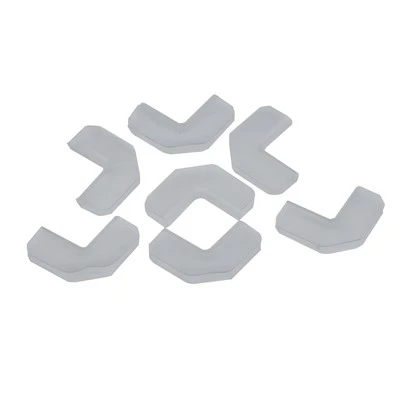
The Busbar Elbow Protection Angle is also important. It provides extra protection to the elbows of the busbars, which are often more vulnerable to damage.
If you have a tap - off unit in your busbar system, the Busbar Outgoing Sheath for Tap Off Unit is a must - have. It protects the outgoing busbars from physical damage and environmental factors.
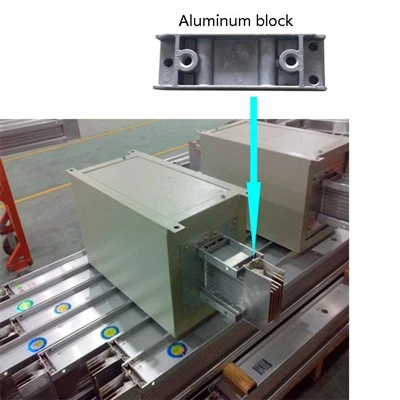
And last but not least, the Busbar Temperature Indicator can help you monitor the temperature of the busbars. Overheating can be a sign of various problems in the electrical system, and early detection can prevent serious damage.
If you're interested in our busbar spring supports or any of these accessories, don't hesitate to reach out. We're always ready to discuss your specific needs and provide you with the best solutions. Whether you're working on a small - scale electrical project or a large industrial installation, we've got the products and expertise to support you.
In conclusion, the material strength of busbar spring supports is a critical factor that directly impacts their performance and reliability. By choosing high-quality materials like stainless steel or properly treated carbon steel, and using advanced manufacturing processes, we can ensure that our products can withstand the rigors of the electrical environment. So, if you're in the market for busbar spring supports or related accessories, get in touch with us for a great buying experience.
References:
- General knowledge of electrical engineering materials and components
- Industry standards and best practices for busbar systems