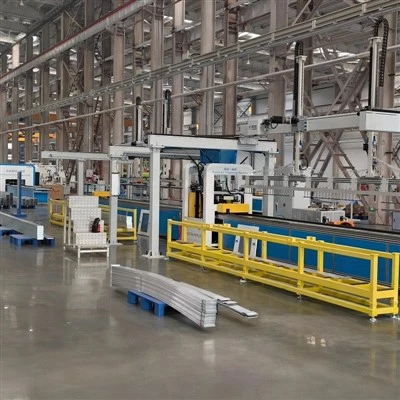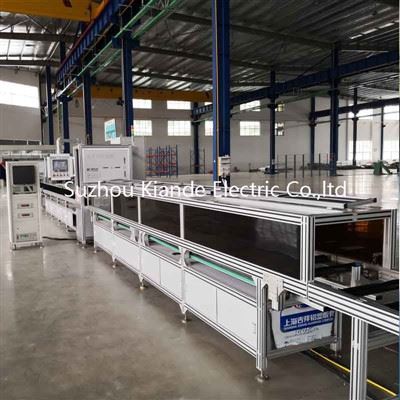
In the modern industrial landscape, CNC busbar processing machines have become indispensable tools for fabricating busbars, which are essential components in electrical power systems. As a leading supplier of CNC busbar processing machines, including the Busbar Profile Cutting Processing Machine, Hydraulic Busbar Processing Machine, Multifunction Busbar Processing Machine, Copper Busbar Processing Machine, and Busbar Profile Processing Machine, we understand the critical importance of proper training for operators. This blog will delve into the various types of training required to operate these sophisticated machines effectively and safely.
1. Safety Training
Safety should always be the top priority when operating any industrial machinery, and CNC busbar processing machines are no exception. Operators must undergo comprehensive safety training to prevent accidents and injuries in the workplace.
General Workplace Safety
This training covers basic safety practices such as wearing appropriate personal protective equipment (PPE), including safety glasses, gloves, and steel-toed boots. Operators should also be aware of the location and proper use of emergency stop buttons, fire extinguishers, and first aid kits.


Machine - Specific Safety
CNC busbar processing machines have unique safety features and potential hazards. Operators need to learn about the specific safety interlocks, guards, and sensors on the machine. For example, understanding how the interlocking system prevents access to moving parts during operation is crucial. They should also be trained on how to safely load and unload busbars, avoiding pinch points and sharp edges.
Electrical Safety
Since these machines are electrically powered, electrical safety training is essential. Operators must know how to identify electrical hazards, such as exposed wires or frayed cords. They should understand the proper procedures for grounding the machine and isolating the power supply before performing maintenance or troubleshooting.
2. Technical Knowledge Training
Machine Structure and Components
A thorough understanding of the machine's structure and components is fundamental. Operators should learn about the different parts of the CNC busbar processing machine, including the control panel, hydraulic system (if applicable), cutting tools, punches, and dies. They need to know how these components work together to perform various busbar processing operations, such as cutting, punching, and bending.
CNC Programming Basics
CNC (Computer Numerical Control) technology is at the heart of these machines. Operators should receive basic training in CNC programming. This includes learning how to read and interpret G - code, which is used to control the movement and operation of the machine. They should be able to create simple programs for common busbar processing tasks, such as setting the cutting length or punch positions.
Material Knowledge
Busbars can be made from different materials, such as copper and aluminum, each with its own properties. Operators need to understand the characteristics of these materials, including their hardness, ductility, and conductivity. This knowledge is essential for selecting the appropriate cutting tools, punch forces, and bending radii to ensure high - quality busbar processing.
3. Operational Training
Machine Startup and Shutdown
Proper startup and shutdown procedures are crucial for the longevity and safe operation of the CNC busbar processing machine. Operators should be trained on how to power on the machine, check the oil levels (in hydraulic systems), and perform any necessary warm - up procedures. Similarly, they need to know the correct steps for shutting down the machine, including turning off the power, releasing any hydraulic pressure, and cleaning the work area.
Tool Setup and Changeover
The machine uses various tools, such as cutting blades, punches, and dies. Operators must be trained on how to set up and change these tools correctly. This includes selecting the right tool for the job, installing it securely in the machine, and adjusting the tool's position and alignment. Incorrect tool setup can lead to poor - quality busbar processing and even damage to the machine.
Processing Operations
Operators need hands - on training in performing the different busbar processing operations. This includes learning how to set the parameters for cutting, punching, and bending, such as the cutting speed, punch depth, and bend angle. They should also practice loading and positioning the busbars accurately to ensure precise processing results.
4. Maintenance and Troubleshooting Training
Routine Maintenance
Regular maintenance is essential to keep the CNC busbar processing machine in optimal working condition. Operators should be trained on routine maintenance tasks, such as cleaning the machine, lubricating moving parts, and inspecting the cutting tools and punches for wear. They should also know how to check the hydraulic system (if applicable) for leaks and proper fluid levels.
Troubleshooting Skills
Even with proper maintenance, machines may encounter problems. Operators need to develop basic troubleshooting skills to identify and resolve common issues. This includes learning how to read error messages on the control panel, diagnose problems with the electrical or hydraulic systems, and perform simple repairs or adjustments. For more complex problems, they should know when to contact the machine's technical support team.
5. Quality Control Training
Inspection Techniques
Operators should be trained in inspection techniques to ensure the quality of the processed busbars. This includes learning how to use measuring tools, such as calipers and micrometers, to check the dimensions of the busbars. They should also be able to visually inspect the busbars for any defects, such as burrs, cracks, or uneven surfaces.
Quality Standards
Understanding the relevant quality standards is crucial. Operators need to know the specifications for busbar processing, such as the tolerance for dimensions and the surface finish requirements. They should be able to compare the processed busbars against these standards and take corrective actions if necessary.
Conclusion
Proper training is essential for operators to safely and effectively operate CNC busbar processing machines. By providing comprehensive training in safety, technical knowledge, operation, maintenance, and quality control, we can ensure that operators are well - equipped to handle these sophisticated machines. As a supplier, we are committed to offering not only high - quality CNC busbar processing machines but also the necessary training and support to our customers. If you are interested in purchasing our machines or learning more about our training programs, please feel free to contact us for further discussion and procurement negotiation.
References
- [1] Industrial Machinery Safety Standards Handbook
- [2] CNC Programming Manual for Busbar Processing Machines
- [3] Material Science for Electrical Conductors