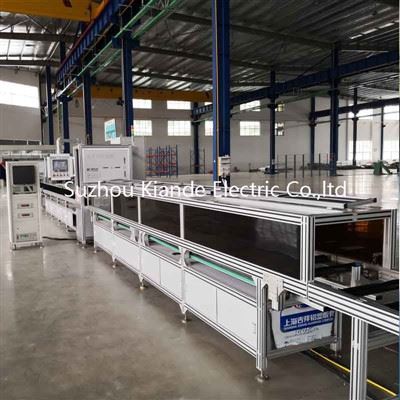
Cutting waste management is a crucial aspect of operating a Busbar Profile Cutting Processing Machine. As a leading supplier of these machines, I understand the significance of efficient waste management in enhancing productivity, reducing costs, and promoting environmental sustainability. In this blog, I will delve into what cutting waste management entails for a Busbar Profile Cutting Processing Machine, discuss its importance, and provide practical strategies for effective waste management.
Understanding Cutting Waste in Busbar Profile Cutting
Before we explore waste management strategies, it's essential to understand what cutting waste is in the context of a Busbar Profile Cutting Processing Machine. Cutting waste refers to the excess material generated during the cutting process of busbar profiles. This waste can take various forms, including offcuts, scrap pieces, and dust.
Offcuts are the remaining pieces of busbar material after the desired profiles have been cut. These offcuts can vary in size and shape, depending on the cutting pattern and the length of the busbar. Scrap pieces are the parts of the busbar that are deemed unusable due to defects, incorrect cuts, or damage during the cutting process. Dust is another form of cutting waste, which is generated by the friction between the cutting tool and the busbar material.
Importance of Cutting Waste Management
Effective cutting waste management is essential for several reasons. Firstly, it helps to reduce material costs. By minimizing waste, you can make the most of your raw materials, thereby reducing the need for frequent material purchases. This can significantly cut down on your overall production costs, making your business more competitive in the market.
Secondly, cutting waste management is crucial for maintaining a clean and safe working environment. Excessive waste can clutter the workspace, increasing the risk of accidents and injuries. It can also interfere with the operation of the cutting machine, leading to malfunctions and downtime. By properly managing waste, you can ensure a safe and efficient working environment for your employees.
Thirdly, waste management is an important aspect of environmental sustainability. The production of busbar profiles involves the use of valuable natural resources, such as copper and aluminum. By reducing waste, you can minimize the environmental impact of your operations, conserve resources, and contribute to a more sustainable future.
Strategies for Cutting Waste Management
1. Optimize Cutting Patterns
One of the most effective ways to reduce cutting waste is to optimize the cutting patterns used in the Busbar Profile Cutting Processing Machine. By carefully planning the cutting layout, you can minimize the amount of offcuts generated and maximize the utilization of the busbar material. Advanced software solutions are available that can help you design efficient cutting patterns based on the dimensions and requirements of your busbar profiles. These software tools can take into account factors such as the length of the busbar, the number of profiles to be cut, and the cutting sequence to generate the most efficient cutting pattern.


2. Implement Quality Control Measures
Quality control is essential for reducing scrap pieces. By implementing strict quality control measures at every stage of the production process, you can identify and correct any defects or errors before they result in significant waste. This can include inspecting the raw materials for defects, monitoring the cutting process to ensure accurate cuts, and conducting final inspections of the finished profiles. Regular maintenance and calibration of the cutting machine are also crucial for ensuring accurate cuts and minimizing waste. A well-maintained machine is less likely to produce defective cuts, which can lead to scrap pieces.
3. Recycle and Reuse Waste Material
Recycling and reusing waste material is an effective way to minimize the environmental impact of cutting waste. Offcuts and scrap pieces can often be recycled and used to produce new busbar profiles or other products. By implementing a recycling program, you can not only reduce waste but also generate additional revenue from the sale of recycled materials. Additionally, some waste materials may be suitable for reuse in other applications within your production process. For example, smaller offcuts can be used for test cuts or as samples.
4. Use Dust Collection Systems
Dust generated during the cutting process can pose a health hazard to employees and can also affect the performance of the cutting machine. Installing a dust collection system is an effective way to manage dust waste. These systems work by capturing and collecting dust particles as they are generated, preventing them from spreading into the air and settling on surfaces. By keeping the workspace clean and dust-free, you can improve the working environment for your employees and extend the lifespan of your cutting machine.
Role of Advanced Busbar Processing Machines in Waste Management
As a supplier of Busbar Profile Cutting Processing Machines, we offer a range of advanced machines that are designed to minimize cutting waste. Our CNC Busbar Processing Machine utilizes computer numerical control technology to ensure precise and accurate cuts, reducing the likelihood of scrap pieces. The CNC system can be programmed to follow complex cutting patterns, optimizing the use of the busbar material and minimizing offcuts.
Our Busbar Profile Cutting Processing Machine is equipped with advanced features such as automatic feeding and cutting, which can improve the efficiency of the cutting process and reduce waste. The machine's high-speed cutting capabilities also allow for faster production times, minimizing the amount of time the cutting tool is in contact with the busbar and reducing the generation of dust.
The Hydraulic Busbar Processing Machine offers powerful cutting performance, ensuring clean and precise cuts with minimal waste. The hydraulic system provides consistent pressure during the cutting process, which helps to prevent uneven cuts and reduce the likelihood of scrap pieces.
Our Multifunction Busbar Processing Machine combines multiple functions in one machine, allowing for more efficient production and reducing the amount of waste generated. The machine can perform tasks such as cutting, punching, and bending, eliminating the need for multiple machines and reducing the amount of material handling required.
The Copper Busbar Processing Machine is specifically designed for processing copper busbars, ensuring high-quality cuts and minimal waste. Copper is a valuable material, and minimizing waste in its processing is crucial for cost savings and environmental sustainability.
Conclusion
Effective cutting waste management is essential for the efficient operation of a Busbar Profile Cutting Processing Machine. By understanding the nature of cutting waste, recognizing its importance, and implementing practical waste management strategies, you can reduce costs, improve productivity, and promote environmental sustainability. As a supplier of Busbar Profile Cutting Processing Machines, we are committed to providing our customers with high-quality machines that are designed to minimize waste and maximize efficiency.
If you are interested in learning more about our Busbar Profile Cutting Processing Machines or would like to discuss your specific waste management needs, please feel free to contact us. Our team of experts is ready to assist you in finding the right solution for your business.
References
- Patel, A., & Singh, R. (2019). Waste management strategies in metal cutting processes. International Journal of Advanced Manufacturing Technology, 101(1 - 4), 909 - 922.
- Smith, J. (2018). The impact of cutting waste on manufacturing costs. Manufacturing Engineering Review, 15(3), 34 - 41.
- Brown, L. (2020). Sustainable practices in busbar processing: Minimizing waste and environmental impact. Journal of Sustainable Manufacturing, 8(2), 78 - 91.